quinta-feira, 14 de julho de 2016

segunda-feira, 6 de junho de 2016
Como desenhar Gesto - passo a passo-How to Draw Gesture - Step by Step
Na semana passada, explicou gesto e esta semana eu vou lhe mostrar exemplos de como aplicá-la. Se você não ver o vídeo gesto ainda, pausar este e ir vê-lo ...
Vamos dar uma olhada em alguns exemplos e encontrar os seus gestos.
30 poses segunda
Um processo
Normalmente eu vou começar com a cabeça, mas nem sempre. Se eu estou no clima para identificar o torso em primeiro lugar, eu vou fazer isso. Não há regras sobre isso. Em seguida, localize o gesto do pescoço, ea linha de acção para o pé. Olhando para o torso, a primeira coisa que noto é que o lado esquerdo é beliscar e o lado direito é o alongamento. Assim, os ombros vai ser inclinado de uma maneira, e os quadris para o outro lado. Isto traz os pontos mais próximos no lado esquerdo, comprimindo as formas, e traz os pontos mais afastados um do outro do lado direito, que se estende das formas. Encontrar algumas linhas de ritmo para as pernas ... e os braços. Isso aí é a versão mais simplificada deste pose. É apenas algumas linhas, mas em 30 segundos é suficiente para explicar o que a pose está fazendo.
Um pouco mais?
Você pode sentir que 30 segundos é muito rápido. Neste caso existem duas possibilidades. Ou você é novo para isso e você realmente precisa de um pouco de tempo extra. Você pode tentar 45 segundos a um minuto. Ou você está realmente pensando sobre isso. Olhando para os contornos demais fará com que você desenhar coisas que não são necessárias para capturar o movimento e você acaba ficando sem tempo. Lembre-se de desenhar o que você sente, não o que você vê.
2 poses hora
Plano de jogo
Tomando 10-15 segundos para apenas olhar e analisar a pose não é um desperdício de tempo. Ele permite que você crie um plano de jogo e usar os 2 minutos que você tem sabiamente.
Ok, então, novamente eu vou começar com um oval limpa para a cabeça e em seguida, anexar o ritmo do pescoço após o músculo esternocleidomastóideo. Ângulo dos ombros e ritmo do tronco usando a linha central para determinar que a curva. Do ponto de vista doente início frente do ombro de uma gota num ritmo através do lado da caixa torácica para o osso púbico. Obter o beliscar no lado direito e esticar no lado esquerdo. Duas curvas C para o gesto da perna da frente. Indicar o outro lado da perna com ritmo de alguma forma paralela, considerando a espessura da cada parte da perna. Agora eu vou encontrar os ritmos braço, lembrando-se de olhar para o movimento não o contorno. E um formato de coração de cabeça para baixo para os seios.
Para uma cabeça de perfil, eu vou começar com um círculo para o crânio, o ângulo para a frente do rosto e da mandíbula. Como uma espécie de versão simplificada do método de Loomis eu fui na minha série de fundamentos retrato.
Obter o ritmo do pescoço e dos ombros. No tronco, eu estou vendo um estiramento no lado esquerdo da parte de trás e uma pitada do lado direito.
Considere afilando / espessura de formas
Como você se sentir confortável ignorando detalhes e ver o retrato grande, você pode passar para uma abordagem um pouco mais estrutural. Agora você está dando um pouco de amor e de pensamento para as formas. Ainda não retirar quaisquer formas 3D, mas considerá-los na concepção do gesto. Eu estou permanecendo fiel à espessura do formulário e qualquer tipo de redução gradual de espessura fina, como desde o quadril até o joelho. Considerando que, antes, na década de 30 desenhos segundo, eu não estava preocupado com isso em tudo. Eu estava apenas desenhando o movimento.
Membros como uma serpente
Se você tende a fazer suas poses duro, pensar no tronco e membros, como uma cobra. Esqueça todos os ossos, as formas duras, formas rígidas. Pense nisso como um cilindro de fluido e tentar ver o movimento. Encontrar as curvas C e S curvas.
Smartdraw não rápido
Quando você faz esses desenhos gesto de 2-10 minutos, o objetivo do exercício é para não chamar tão rápido quanto você puder para utilizar, tanto quanto possível. Se você desenhar tão rápido quanto você pode, você terá desarrumado, linhas ruins e quanto mais você fazer o exercício mais que se tornará um hábito e, eventualmente, você está desenhando linhas feias se o seu cronometrada ou não. Em vez de desenhar rápido, desenhar inteligente. Simplificar a figura para baixo em qualquer grau necessário para desenhá-lo no tempo que você tem. Como diminui o tempo, apenas filtrar a próxima menos de coisa importante para terminar o desenho no tempo previsto. Com um 30 segundo ou um minuto pose que você só tem tempo suficiente para desenhar os elementos mais essenciais. Mas manter as linhas limpas e precisas.
Olhar para um ritmo a partir do braço todo o caminho até ao fim dos dedos. A menos que separa a mão para o seu próprio ritmo é essencial para a linguagem corporal, tentar encontrar um fluxo contínuo.
Começando com os ombros pescoço .. E, em seguida, observando a curva c do torso. A tendência para muitas pessoas seria para desenhar o tronco reto, porque quase é. A curva c é muito sutil, mas importante para fazê-la parecer relaxado. Tornando-se muito reta iria fazê-la se sentir tenso e duro.
Ritmo das mamas
Curve sobre o peito em torno do poço do pescoço. Outra de mamilo para mamilo e também sob o peito sobe, para mostrar que eles estão enrolando sobre a caixa torácica. Isso é mais importante do que mostrar as curvas descendentes de cada mama individual. Estas curvas iria contra a grande forma da caixa torácica. Eles são importantes para mostrar as formas dos seios individuais, mas nesta fase, o foco sobre a foto maior de identificar a pose. formas detalhadas anatômicas vir mais tarde.
Quando não é demasiado importante para mostrar o peito de embrulho sobre a caixa torácica, como, quando a caixa torácica é vertical, eu gosto de usar um ritmo cardíaco de cabeça para baixo. Mais uma vez, Curva sobre o peito em torno do poço do pescoço e, em seguida, em cada mama. Certifique-se o coração é simétrico e esta forma de V entre as terras seios na linha central e segue o gesto.
Vou usar um zig zag no braço, dando o cotovelo uma curva fechada. Isto irá adicionar mais tensão lá, o que é bom porque uma grande parte do peso de seu corpo está sendo apoiado por esse cotovelo. O outro braço está relaxado, então eu vou usar curva de um fluido s.
Curva do Shin
Curva da canela para fora na tíbia e, em seguida, de volta em no pé. É muito comum ver um iniciante chamar a esta área em linha reta e perder o gesto elegante do shin ao pé. Certifique-se de pensar sobre este movimento como você desenhar o contorno. Ou uma maneira melhor de dizer isso, acho que o movimento como você "design" dos contornos. Porque quando você está projetando algo, você está mudando-o com um propósito.
Exagerar
Acostume-se a ser capaz de exagerar o gesto. Empurre a história para ser mais emocionante e mais claro para o espectador. Eu vou te mostrar uma pose em que eu vou empurrar o gesto muito longe. Tanto quanto eu puder, sem quebrá-lo.
Com essa postura vou tentar exagerar o movimento da pelve indo para trás e para a direita. Então, eu vou girar a cabeça para a direita para seguir este movimento.
Considere as formas como você identificar o gesto. Quando exagerando você precisa exagerar pensa 3-dimensional, e não apenas curvas 2D. Mesmo que você está desenhando curvas 2D, você tem meio que a curva de-los de uma forma que ainda faz sentido 3-dimensionalmente.
Gesto é como os olhos de um desenho do retrato. Os olhos dão ao retrato sua vida e gesto dá a figura a sua vida.
Cessão e divirta-se!
Se eu fosse para lhe dar uma tarefa para esta, se isso fosse um ambiente de sala de aula real, eu diria que tem um monte de figura fotos e desenhar 10 a 20 deles todos os dias. Eu prometo que você vai melhorar. E rewatch este episódio e episódio da semana passada algumas vezes. Lembre-se que você está tentando fazer. E ouvir aquelas coisas que eu repita várias vezes. Não copie, não desenhar o contorno, encontramos a história etc .. Além disso, tente desenhar junto. A seção superior tem um monte de vídeos de exemplo, os desenhos gesto em tempo real. Assim, você pode desenhar ao longo, pausa, se você precisa. Mas acima de tudo se divertir com ele. Não se estresse sobre ele ou ficar louco se não acabar bem imediatamente. Apreciar o processo, e perceber que você está desenhando! É um deleite para apenas sentar e desenhar por um tempo. Se você está se divertindo e se divertindo, você vai aprender melhor.
O que está na seção premium?
Se você quiser ver explicação mais detalhada, a abundância de exemplos e mais vídeos prémio confira proko.com/figure. Para cada vídeo gratuito que eu postar durante esta figura série, estou postando conteúdo premium adicional sobre proko.com. Neste vídeo livre eu mostrei 7 Exemplos de poses. Na seção prémio mostro 41 exemplos, com mais dicas sobre áreas específicas da figura gesto. Isso é mais de uma hora de vídeo com cerca de 30 minutos de narração. E estamos apenas no início da série de desenho de figura. Visite proko.com/figure para mais detalhes.
Críticas do estudante
Na seção premium, vou postar o trabalho do aluno e vídeos de me corrigir esses desenhos de estudantes. Isso é onde você vem dentro ..
Então, praticar alguns desenhos gesto usando os conceitos desta lição e da semana passada. Publicar seus desenhos na sua página do Facebook, tumblr, blog, fórum, onde quer que você gostaria de postar o seu trabalho artístico. Em seu post certifique-se de mencionar este vídeo e incluir um link para ele. Enviar e-mail me e dizer-me onde posso encontrar seus desenhos. Certifique-se de seguir as orientações que descrevo em proko.com/critiques. Todo mundo que participa será capaz de baixar o vídeo crítica. Entao vai! Ir prática! E, em seguida, postar ...
Pose Fotos à Prática
Oh ya e, em seguida, se você precisar de poses para retirar, tenho alguns conjuntos de fotos que você pode baixar em proko.com/poses
Se você gosta deste vídeo, compartilhar a riqueza, diga aos seus amigos. Postá-lo em sua rede social favorita. Clique nesse botão aqui para subscrever a newsletter proko se você quiser ser atualizado sobre os novos vídeos. Tchau tchau!
Premium extended version of this video and full Figure Drawing Series available – Figure Drawing Fundamentals
Last week I explained gesture and this week I’ll show you examples of how to apply it. If you haven’t watch the gesture video yet, pause this and go watch it…
Let’s take a look at some examples and find their gestures.
30 Second poses
A process
Usually I’ll start with the head, but not always. If I’m in the mood to identify the torso first, I’ll do that. There are no rules about this. Then find the gesture of the neck, and the action line to the foot. Looking at the torso, the first thing I notice is that the left side is pinching and the right side is stretching. So, the shoulders will be slanted one way, and the hips the other way. This brings the points closer together on the left side, compressing the forms, and brings the points further away from each other on the right side, stretching the forms. Find some rhythm lines for the legs… And the arms. That right there is the most simplified version of this pose. It’s only a few lines but in 30 seconds it’s enough to explain what the pose is doing.
A little longer?
You might feel like 30 seconds is just too quick. In that case there are two possibilities. Either you’re brand new at this and you really DO need a little extra time. You can try 45 seconds to a minute. Or you’re really over thinking it. Looking at the contours too much will cause you to draw things that are not necessary to capture the motion and you end up running out of time. Remember to draw what you feel, not what you see.
2 minute poses
Game Plan
Taking 10-15 seconds to just look and analyze the pose is not a waste of time. It allows you to create a game plan and use the 2 minutes you have wisely.
Ok, so again I’ll start with a clean oval for the head and then attach the rhythm of the neck following the sternocleidomastoid muscle. Angle of the shoulders and rhythm of the torso using the centerline to determine that curve. From a front view ill start from the shoulder a drop a rhythm through the side of the ribcage to the pubic bone. Get the pinching on the right side and stretch on the left. Two c curves for the gesture of the leg from the front. Indicate the other side of the leg with somewhat parallel rhythm, considering the thickness of each part of the leg. Now I’ll find the arm rhythms, remembering to look for the motion not the contour. And an upside down heart shape for the breasts.
For a head in profile, I’ll start with a circle for the cranium, angle for the front of the face and jaw. Kind of like a simplified version of Loomis’s method I went over in my portrait fundamentals series.
Get the rhythm of the neck and the shoulders. In the torso, I’m seeing a stretch on the left side of the back and a pinch on the right side.
Consider tapering/thickness of forms
As you get comfortable ignoring detail and seeing the big picture, you can move on to a slightly more structural approach. Now you are giving some love and thought to the forms. Still not drawing any 3d forms but considering them in the design of the gesture. I’m staying true to the thickness of the form and any kind of tapering from thick to thin, such as from the hip to the knee. Whereas before, in the 30 second drawings, I wasn’t concerned about that at all. I was just drawing the motion.
Limbs as a Snake
If you tend to make your poses stiff, think of the torso and limbs as a snake. Forget about any bones, hard forms, rigid forms. Think of it as a fluid cylinder and try to see the motion. Find the c curves and s curves.
Draw Smart Not Fast
When you do these gesture drawings of 2-10 minutes, the point of the exercise is not to draw as fast as you can to draw as much as possible. If you draw as fast as you can you will have messy, bad lines and the more you do the exercise the more that will become a habit and eventually you’re drawing ugly lines whether its timed or not. Instead of drawing fast, draw smart. Simplify the figure down to whatever degree needed to draw it in the time you have. As the time decreases, just filter out the next least important thing to finish the drawing in the allotted time. With a 30 second or 1 minute pose you only have enough time to draw the most essential elements. But keep your lines clean and accurate.
Look for a rhythm from the arm all the way to the end of the fingers. Unless separating the hand to its own rhythm is essential for the body language, try to find a continuous flow.
Starting with the head neck shoulders.. And then observing the c curve of the torso. The tendency for many people would be to draw the torso straight because it almost is. The c curve is very subtle, but important to make her look relaxed. Making it too straight would make her feel tense and stiff.
Rhythm of the breasts
Curve over the breast around the pit of neck. Another from nipple to nipple and also under the breast curving up to show that they’re wrapping over the rib cage. This is more important than showing the downward curves of each individual breast. These curves would go against the large form of the rib cage. They’re important to show the forms of the individual breasts, but at this phase, focus on the bigger picture of identifying the pose. Anatomical detailed forms come later.
When it’s not too important to show the breasts wrapping over the rib cage, like, when the ribcage is vertical, I like using an upside-down heart rhythm. Again, Curve over the breast around the pit of neck and then under each breast. Make sure the heart is symmetrical and this V shape between the breasts lands on the centerline and follows the gesture.
I’ll use a zig zag in the arm, giving the elbow a sharp corner. This will add more tension there, which is good because a lot of the weight of her body is being supported by that elbow. The other arm is relaxed, so I’ll use a fluid s curve.
Curve the Shin
Curve the shin out at the tibia and then back in at the foot. It’s very common to see a beginner draw this area straight and lose the elegant gesture of the shin to the foot. Make sure to think about this motion as you draw the contour. Or a better way of saying it, think of the motion as you “design” the contours. Because when you’re designing something, you’re changing it with a purpose.
Exaggerate
Get used to being able to exaggerate the gesture. Push the story to be more exciting and clearer to the viewer. I’ll show you a pose where I’ll push the gesture REALLY far. As far as I can without breaking it.
With this pose I’m gonna try to exaggerate the motion of the pelvis going back and to the right. So, I’ll rotate the head to the right to follow this motion.
Consider the forms as you identify the gesture. When exaggerating you need to exaggerate thinking 3-dimensionally, not just 2d curves. Even though you’re drawing 2d curves, you kinda have to curve them in a way that still makes sense 3-dimensionally.
Gesture is like the eyes of a portrait drawing. Eyes give the portrait its life and gesture gives the figure its life.
Assignment and have fun!
If I were to give you an assignment for this, if this were a real classroom environment, I’d say get a bunch of figure photos and draw 10 to 20 of them every day. I promise you will improve. And rewatch this episode and last week’s episode a few times. Remind yourself what you’re trying to do. And listen for those things that I repeat several times. Don’t copy, don’t draw the contour, find the story etc.. Also, try drawing along. The premium section has a lot of videos of example gesture drawings in real time. So you can draw along, pause if you need to. But most of all have fun with it. Don’t stress over it or get mad if they don’t turn out good right away. Enjoy the process, and realize that you’re drawing! It’s a treat to just sit down and draw for a while. If you’re having fun and enjoying yourself, you’ll learn better.
What’s in the premium section?
If you want to see more detailed explanation, plenty of examples and more premium videos check out proko.com/figure. For every free video that I post during this figure series, I’m posting additional premium content on proko.com. In this free video I showed 7 examples poses. In the premium section I show 41 examples, with more tips on specific areas of figure gesture. That’s over an hour of video with about 30 minutes of narration. And we’re just at the beginning of the figure drawing series. Visit proko.com/figure for more details.
Student Critiques
In the premium section, I’ll be posting student work and videos of me correcting those student drawings. That’s where you come in..
So, practice some gesture drawings using the concepts from this lesson and last week’s. Post your drawings on your Facebook page, tumblr, blog, forum, wherever you like to post your artwork. In your post make sure to mention this video and include a link to it. Email me and tell me where I can find your drawings. Make sure to follow the guidelines that I describe on proko.com/critiques. Everyone that participates will be able to download that critique video. So go! Go practice! And then post…
Pose Photos to Practice
Oh ya and then if you need poses to draw from, I have some photo sets that you can download at proko.com/poses
If you like this video, share the wealth, tell your friends. Post it on your favorite social network. Click this button here to subscribe to the Proko newsletter if you want to be updated about new videos. Buh Bye!
Como desenhar Gesture-How to Draw Gesture
transcrição:
Olá, eu sou Stan Prokopenko, obrigado por assistir proko. Este é o primeiro vídeo da série figura desenho. E é provavelmente um dos mais importantes. Nesta lição eu vou fazer a cobertura "gesto"
O que o butt-Munch é gesto de qualquer maneira? Gesto, ritmo, movimento, ação, fluxo - estas são todas as palavras que são usadas indistintamente e eles basicamente significam a mesma coisa.
todos eles se referem ao movimento entre as coisas. Não é o contorno, ou a forma ou o tom. É o movimento que liga os contornos, as formas e os tons. Por exemplo, se você tem 3 bolas, o gesto aqui seria uma curva c que descreve a relação destas bolas. Este seria o contorno, mas este é o gesto. É simples de entender, mas difícil de pôr em prática quando você está realmente desenhar uma figura humana. Estamos tão tentado a desenhar os detalhes da anatomia e todos os pequenos solavancos do contorno porque pensamos que detalhe vai fazer nosso desenho olhar melhor. Mas a realidade é, o detalhe não é nada sem o gesto. Você pode acidentalmente encontrar algum gesto enquanto você está copiando os contornos, mas eu não gostaria de contar com acidentes.
Uma abordagem melhor seria para a prática de encontrar o gesto da figura tantas vezes que se torne uma segunda natureza. QuickSketch é um exercício comum na escola de arte que envolve o desenho do modelo da vida em poucos minutos. Uma sessão QuickSketch típica dura 2-3 horas com poses que variam de 30 segundos a 10 minutos por pose. Gesto é a principal preocupação. Fazer este exercício irá treiná-lo para ver o gesto imediatamente. Você pode sentir isso. Então, você será capaz de projetar os detalhes para complementar o gesto em vez de detalhes de cópia aleatoriamente.
Sua jornada de dominar QuickSketch será uma longa, mas emocionante um. Há muito para aprender e cada vez que você aprender algo novo seus esboços vai mostrar melhoria. Durante uma sessão normal você vai terminar em qualquer lugar de 25 a 100 desenhos. Pense nisso ... Você está desenhando a figura humana em até 100 vezes dentro de algumas horas. Se você fizer isso em uma base regular, você vai ficar melhor. A melhor coisa sobre isso, é que é realmente divertido, se você não se estresse sobre ele. Neste vídeo eu vou passar por cima de todos os conceitos que você precisa saber para um desenho quicketch sucesso que se concentra totalmente no gesto. Em futuros vídeos Eu vou construir a isso e introduzir conceitos adicionais todos os quais se juntam. E no final, com a prática suficiente, você pode usar todos esses conceitos para produzir um QuickSketch concluída desenho em 5-10 minutos.
Então, basicamente gesto é em tudo o que nos rodeia. É uma abordagem de desenho que você pode usar para desenhar qualquer coisa.
Use gesto para contar uma história através da captação da linguagem corporal. Nós usamos todo o nosso corpo, não apenas palavras para comunicar idéias e emoções. Isto é o que o gesto deve capturar. O que é a pessoa que faz? O que ele está sentindo? O que ele acabou de fazer? Ou o que é que ele vai fazer? Isto pode ser contada através de apenas algumas linhas, o que o telespectador vai reconhecer como o corpo e podem identificar as emoções que a pessoa está sentindo apenas como podemos intuitivamente identificar as emoções das pessoas ao nosso redor. É uma boa ideia para exagerar a pose para contar uma melhor. Como você se torna mais hábil em exagerando, você também vai melhorar em captar as sutilezas.
Você provavelmente está pensando, Stan, este é outro dos enganados piada? Você está desenhando uma outra figura da vara? Não. Não pense nisso como um boneco. Porque isso poderia fazer seu desenho duro. Eles não são paus. Eles não são linhas retas. Eles são linhas de acção. Observe a pose e analisar o movimento. É mais sobre como se sente, ao invés de como ele se parece.
Mais tarde, vamos adicionar mais estrutura a estes desenhos para fazer as figuras se sentir mais sólida e real. Portanto, para aqueles de vocês que não encontrar este inspirador e está pensando "Eu não quero que meu povo parecido com spaghetti" lembre-se que este não se destina a ser um desenho acabado. É um exercício para a prática de um conceito. Você está treinando sua mente para ver o ritmo em tudo que você desenhar. Você está treinando sua mente para considerar mais do que apenas os contornos quando você está desenhando formas. É um conceito importante que precisa ser intuitivo. Em todos estes desenhos que está vendo-se agora o elemento de gesto foi aplicado à anatomia para tornar a figura dinâmica.
Vamos passar por cima de alguns conceitos importantes para se lembrar durante a prática de seus desenhos gesto.
maior eixo
Quando você olha para um formulário e tentar encontrar o gesto, olhar para o seu maior eixo. Descendo o comprimento do tronco, abaixo do comprimento da perna, ao longo do comprimento do braço. É no eixo mais longo de cada formulário onde você encontrará o movimento fluido de uma forma para outra.
CSI
Para eliminar as informações desnecessárias nos contornos e capturar esse gesto as linhas que você usa deve ser simples. Não use nada mais complicado do que uma curva c, s curva ou reta.
Você pode usar combinações dessas curvas como você se move para baixo a figura, mas tentar fazê-lo em tão poucas linhas quanto possível usando as linhas mais simples, C, S, ou I.
Linha de ação
O gesto deve ser desenhado com o menor número de linhas possível necessário para capturar a idéia. Comece por encontrar a mais longa linha do corpo da ação. Tente encontrar uma curva que pode se conectar a cabeça aos dedos dos pés. Nem todas as poses podem ser eficientemente descrita com uma longa linha que liga a cabeça aos dedos dos pés, mas há sempre uma linha principal que mostra o fluxo direcional da pose. Isso é chamado de "Linha de Ação". Neste representam a linha de ação seria uma curva c mostrando o grande fluxo do tronco para as pernas. Mas isto não contam toda a história, então essa postura teria de ser dividido em mais partes. Eu acho que esta curva acentuada no quadril é importante, assim descrevendo-o com uma suave curva não está certo. Neste caso, seria utilizar uma combinação de uma curva C para o tronco, e s curvas para as pernas.
curvas relaxado e tenso
O "bendiness" da curva você usa muda a forma como o gesto sente. A curva mais longa, o fluido se sente relaxado e move o olho rapidamente por esse fluxo. Assim que começar a dobrar a curva mais, você mostra mais energia e mais tensão no gesto. Eventualmente, quando ele é dobrado longe o suficiente você pode usar um zig zag. A zig zag indica tensão, cantos afiados, mudanças muito bruscas no movimento.
Natureza apresenta este muito bem com água. Quando a água é calma as ondas fluem em um ritmo S curva. Durante uma tempestade, quando não há mais energia na água, as ondas fluem em um teste padrão de ziguezague.
Então, quando você quer criar uma tensão, pense zig zag. Quando você quiser mostrar algo está relaxado, use uma curva de fluxo.
Assimetria do corpo
Considerar o aspecto assimétrico do corpo a partir do lado. O suplente formas no ângulo da cabeça, tórax, pelve, coxa e perna.
Isto faz com que c alternando curvas que levam o olho através do corpo. Como um rio que flui através de um fluxo ...
A tendência para nós é fazer as coisas, mas isso endurece o gesto e faz a figura parecido com um boneco de neve
Na próxima semana eu vou mostrar alguns exemplos de gesto esboços rápidos e orientá-lo passo a passo através do processo. Mas, eu sugiro que você tente praticar esses conceitos em seu próprio país antes de assistir o passo a passo vídeo na próxima semana. Você vai ter uma idéia de como é e será capaz de puxar mais informações a partir dele, porque você sabe o que procurar. Você vai ter perguntas que você pode se concentrar em, e você pode comparar o que você fez com o que faço. Se você precisar de fotos de referência, tenho algumas representar conjuntos de arquivos que você pode obter na loja proko.
Se você quiser ver uma explicação mais detalhada e abundância de exemplos .. oh venha! Sério?! se você quiser ver uma explicação mais detalhada, a abundância de exemplos e mais vídeos prémio verificar o campo figura premium. Para cada vídeo gratuito que eu postar durante esta figura série, estou postando conteúdo premium adicional no curso.
Se você gosta desta lição, partilhar a riqueza. Diga a seus amigos, postá-lo em sua rede social favorita.
Google Tradutor para empresas:Google Toolkit de tradução para appsTradutor de sitesGlobal
Get the Premium version of this video – I go into more depth and talk about other gesture related concepts.
Transcript:
Hey there, I’m Stan Prokopenko, thanks for watching Proko. This is the first video of the figure drawing series. And it’s probably one of the most important. In this lesson I’ll be covering “gesture”
What the butt-munch is gesture anyway? Gesture, rhythm, motion, action, flow – these are all words that are used interchangeably and they basically mean the same thing.
They all refer to the movement between things. It’s not the contour, or the form, or the tone. It’s the movement that connects the contours, the forms and the tones. For example if you have 3 balls, the gesture here would be a c curve that describes the relationship of these balls. This would be the contour, but this is the gesture. It’s simple to understand, but difficult to put into practice when you’re actually drawing a human figure. We’re so tempted to draw the details of the anatomy and all the little bumps of the contour because we think that detail will make our drawing look better. But the reality is, the detail is nothing without the gesture. You might accidentally find some gesture while you’re copying the contours, but I don’t like to rely on accidents.
A better approach would be to practice finding the gesture of the figure so many times that it becomes second nature. Quicksketch is a common exercise in art school that involves drawing the model from life within a few minutes. A typical quicksketch session lasts 2-3 hours with poses ranging from 30 seconds to 10 minutes per pose. Gesture is the primary concern. Doing this exercise will train you to see the gesture immediately. You can feel it. Then you will be able to design the details to complement the gesture instead of copying details randomly.
Your journey of mastering quicksketch will be a long but exciting one. There’s a lot to learn and every time you learn something new your sketches will show improvement. During a normal session you’ll finish anywhere from 25 to 100 drawings. Think about that… You’re drawing the human figure up to 100 times within a few hours. If you do this on a regular basis, you’re going to get better. The best thing about it, is it’s actually fun, if you don’t stress over it. In this video I’ll go over all concepts you need to know for a successful quicketch drawing that focuses completely on gesture. In future videos I’ll build on to that and introduce additional concepts all of which come together. And in the end, with enough practice you can use all these concepts to produce a completed quicksketch drawing in 5-10 minutes.
So basically gesture is in everything around us. It’s an approach to drawing that you can use to draw anything.
Use gesture to tell a story by capturing the body language. We use our whole body, not just words to communicate ideas and emotions. This is what the gesture should capture. What is the person doing? What is he feeling? What did he just do? Or what is he going to do? This can be told through just a few lines, which the viewer will recognize as the body and can identify the emotions that person is feeling just like we can intuitively identify emotions of the people around us. It’s a good idea to exaggerate the pose to tell a better. As you become more skilled in exaggerating, you will also improve in capturing the subtleties.
You’re probably thinking, Stan, is this another April fools joke? Are you drawing another stick figure? No. Don’t think of it as a stick figure. Because that could make your drawing stiff. They’re not sticks. They’re not straight lines. They’re action lines. Observe the pose and analyze the movement. It’s more about how it feels, rather than how it looks.
Later, we will add more structure to these drawings to make the figures feel more solid and real. So, for those of you who don’t find this inspiring and are thinking “I don’t want my people to look like spaghetti” remember that this is not meant to be a finished drawing. It’s a exercise to practice a concept. You’re training your mind to see rhythm in everything you draw. You’re training your mind to consider more than just the contours when you’re drawing shapes. It’s an important concept that needs to be intuitive. In all these drawings that you’re seeing now the element of gesture was applied to the anatomy to make the figure dynamic.
Let’s go over some important concepts to remember while practicing your gesture drawings.
Longest axis
When you look at a form and try to find the gesture, look at its longest axis. Going down the length of the torso, down the length of the leg, down the length of the arm. It’s in the longest axis of each form where you’ll find the fluid motion from one form to the next.
CSI
To eliminate the unnecessary information in the contours and to capture that gesture the lines you use should be simple. Don’t use anything more complicated than a c curve, s curve, or straight.
You can use combinations of these curves as you move down the figure, but attempt to do it in as few lines as possible using the simplest lines, C, S, or I.
Line of Action
The gesture should be drawn with as few lines as possible necessary to capture the idea. Start by finding the longest action line of the body. Try to find a curve that could connect the head to the toes. Not all poses can be efficiently described with one long line that connect the head to the toes, but there is always one main line that shows the directional flow of the pose. This is called the “Line of Action”. In this pose the line of action would be a c curve showing the major flow from the torso to the legs. But this doesnt tell the whole story, so this pose would need to be broken up into more parts. I think this sharp turn in the hips is important, so describing it with a soft curve isn’t right. In this case, I would use a combination of a c curve for the torso, and s curves for the legs.
Relaxed and tense curves
The “bendiness” of the curve you use changes how the gesture feels. A longer, fluid curve feels relaxed and moves the eye quickly through that flow. As you start to bend the curve more, you show more energy and more tension in the gesture. Eventually, when it’s bent far enough you can use a zig zag. A zig zag indicates tension, sharp corners, very sudden changes in the movement.
Nature presents this very well with water. When the water is calm the waves flow in an S curve rhythm. During a storm, when there’s more energy in the water, the waves flow in a zig zag pattern.
So, when you want to create tension, think zig zag. When you want to show something is relaxed, use a flowing curve.
Asymmetry of the body
Consider the asymmetrical aspect of the body from the side. The forms alternate in angle from head, ribcage, pelvis, upper leg and lower leg.
This causes alternating c curves that lead the eye through the body. Like a river flowing through a stream…
The tendency for us is to make things, but this stiffens the gesture and makes the figure look like a snowman
Next week I’ll show some examples of gesture quick sketches and guide you step by step through the process. But, I suggest you attempt to practice these concepts on your own before watching the step by step video next week. You’ll have an idea of what it’s like and will be able to pull more information from it because you know what to look for. You’ll have questions you can focus on, and you can compare what you did with what I do. If you need reference photos, I have some pose file sets you can get in the proko store.
If you want to see a more detailed explanation and plenty of examples.. oh cmon! Really?! if you want to see a more detailed explanation, plenty of examples and more premium videos check out the premium figure course. For every free video that I post during this figure series, I’m posting additional premium content in the course.
If you like this lesson, share the wealth. Tell your friends, post it on your favorite social network.
quarta-feira, 1 de junho de 2016

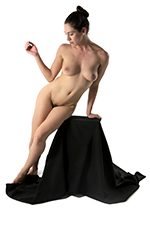

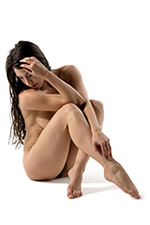


Como simplificar o Movimento do Tronco - O Feijão-How to Simplify the Motion of the Torso - The Bean
https://www.youtube.com/watch?v=0660Fuih7qo
Como simplificar o Movimento do Tronco - A versão BeanPremium estendida deste vídeo e figura cheia Desenho Series disponível - Figura desenho Fundamentos
Existem 3 grandes massas ligados pela coluna. Cabeça, tórax e pélvis. Neste episódio vamos dar uma olhada os dois que compõem o torso.
Qual é o feijão?
Ei, você está assistindo proko. Então, qual é o feijão? O tronco poderia inicialmente ser pensado como um feijão. não, não esse feijão .. mmm, não que qualquer um. Essa é a mesma de feijão! Este ... Este é o feijão que estou falando. Temos duas formas, um para a caixa torácica e outro para os quadris. Você pode até mesmo imaginar uma meia com duas bolas nele .. Seja qual for analogia que deseja usar. Basicamente, temos duas formas duras com uma "pele" mais suave em torno deles.
As bolas podem torcer, lado a lado de inclinação e inclinar para a frente ou para trás. O pano da palmilha irá esticar, comprimir, ou torcer em conformidade, o que representa a forma como a pele se reagir com o mesmo movimento de um corpo humano.
Para ser mais específico sobre o que esses ovais realmente representam, aqui está como eu penso nisso. A caixa torácica não é um oval perfeito. A curva pára em torno da 10ª costela e, em seguida, gira para trás até o esterno. Mas, a simplificá-lo, eu vou continuar as curvas dos lados e usar um oval.
O oval dos quadris, na verdade, inclui a área acima dos quadris. Continua-se o oblíquo e encontra o oval superior na parte mais fina da cintura. Como resultado, as duas formas ovais irá sobrepor-se.
Por que praticar o feijão?
O conceito que eu vou estar falando sobre hoje é uma abordagem muito simplificada. É, obviamente, não te um desenho figura realista, mas é os conceitos por trás disso que estamos aprendendo. Em seguida, uma vez que entendemos esses conceitos, podemos aplicá-los a uma abordagem mais complexa realista.
Às vezes o que eu tenho meus alunos farão na minha aula de desenho de figura é uma sessão de 20 minutos de 30 segundo poses apenas fazendo o feijão. Digo-lhes, eles não está desenhando uma pessoa. Não pense nisso como uma figura desenho. Em vez disso, é uma analogia para o corpo. Estes são pequenas notas que você pode usar mais tarde na figura desenhos mais longos. É a forma do tronco representada da maneira mais simples. A razão para fazermos isso é eliminar todos os detalhes e não se distrair com contornos ou formas menores. Fazemos isso para isolar o que é importante na captura do movimento e massa do torso.
Como praticar o feijão
Tome poses e desenhar o equivalente em café no seu extremo. Tome nota de que a última parte. Você está desenhando uma versão extrema da postura. Portanto, se há um toque sutil, fazer essa reviravolta mesmo "twistier". A magra para a direita? Inclinar-se ainda mais. O processo de exagerar esses elementos cria o hábito de realmente observar cada elemento. As coisas que procuramos identificar no feijão são:
Incline lado para o outro
Inclinar para a frente e para trás
Torção da coluna vertebral
escorço
Incline lado para o outro
Vamos começar com uma inclinação de lado a lado. Quando há uma inclinação, ou uma curvatura da coluna vertebral para um lado, haverá sempre um lado comprimido e um lado estirado. Como estes pontos aproximar-se uns aos outros, tudo entre elas amontoa. Você vai ver as rugas que vai através do torso. Por outro lado, estes pontos se afastam umas das outras tudo o que se estende entre eles. Eu sempre vou tentar enfatizar aqui o alongamento e jogar para baixo qualquer tipo de colisões musculares que levariam longe do efeito de alongamento.
Aqui está uma pose com uma inclinação sutil. Encontrar o ângulo da caixa torácica. Ângulo dos quadris, considerando também a posição em relação à caixa torácica. É um erro comum colocar sempre as duas formas uma em cima da outra. Observar o ângulo a partir do topo da caixa torácica para a parte inferior dos quadris.
Adicionando uma linha de acção também irá ajudar a identificar esta relação. A linha central vai enfatizar a curva C do presente pose e mostrar que está ligeiramente virada para a esquerda, uma vez que o centro está mais perto da borda esquerda da forma.
Inclinar para a frente e para trás
A segunda ação é inclinado para a frente ou para trás. É praticamente o mesmo efeito de uma inclinação. O lado onde os pontos estão comprimindo terá o aperto e do lado oposto terá um estiramento. A única diferença é que agora a linha central é, no lado que se estende ou que comprime. Se a pessoa se inclina para nós, haverá um vinco no plano frontal. E a própria linha central também tem uma pitada. Este canto afiado cria a tensão no plano frontal. Na parte traseira, mostrar a linha gesto alongamento.
Quando a pessoa se inclina para trás para longe de nós, é um pouco mais complicado para indicar com um bean. Este parece muito semelhante a uma inclinação. É difícil mostrar isso porque o aperto está de volta lá. Ele fica escondido de nós. A única maneira de mostrar que as formas estão indo para longe de nós é com algumas linhas de contorno cruz, que indicam escorço semelhante a esses cilindros.
Torção da coluna vertebral
Bem! A torção! Eu amo fazer a torção.
Durante um movimento de torção, a pele irá ser puxado a partir de um lado da forma para o outro. Vejamos o que acontece com esta toalha quando eu torcê-lo. A seqüência de caracteres representa o centro. Na parte superior do avião torce para um lado e na parte inferior para o outro lado. Neste lado as linhas se sobrepõem a partir da parte superior, por outro lado, eles sobrepõem-se a partir do fundo. As coisas estão sendo puxado através do formulário para esses cantos. Às vezes é confuso para descobrir de que lado se sobrepõem, que está em frente e que está por trás. Basicamente, os dois cantos, que estão mais perto de nós terá as linhas que se sobrepõem os cantos mais distantes de nós. Faz sentido, porque os objetos que estão mais perto de nós estão na frente de objetos ainda mais de nós. É perspectiva básica.
A linha central é agora uma forma de S em vez de um C durante uma inclinação ou magra.
Então, vamos dar uma olhada em dois ângulos de torção com o feijão.
Nesta pose nós estamos olhando para um torso torcendo do lado. Isto significa que a linha central de ver o plano da frente, na parte superior e a linha central da parte traseira na parte inferior. Há uma transição de uma para a outra. Como o plano da frente fica mais fino e a linha central começa a enrolar para trás, no outro lado da coluna vertebral começa a sair de trás e torcendo para nós. Assim, apenas uma porção da linha de centro é visível em cada lado.
Ao olhar para uma torção da frente ou de trás você só vê um dos aviões, mas ele está sendo torcido. Nesta pose, a cova do pescoço é mais perto do lado esquerdo do seu corpo e do osso púbico está virando para o lado direito.
escorço
Quando um número é extremamente foreshortened você vai observar duas mudanças. A primeira é uma mudança das formas ovais que indicam a caixa torácica e os quadris. Nós já não estamos vendo por toda a extensão, de modo que as ovais será mais curto. A segunda mudança é a relação de posição entre esses ovais. Uma vai se sobrepor a outra e, por vezes encobrir mais do mesmo. Isso mostra que a caixa torácica está diretamente na frente dos quadris de modo que o tronco está apontando diretamente para nós.
Nesta pose, ela está inclinando-se para nós, criando um monte de encurtamento. Vou certificar-se manter a forma oval mais circular e sobrepor-los um pouco mais do que o habitual. Eu gosto de colocar um ponto sobre os pólos norte e sul destas formas. Isso me ajuda a imaginar como enrolar a linha central ao longo do plano superior. Eu também vejo uma torção desde o umbigo está apontando para a esquerda.
Qual é o próximo?
Depois de estabelecer o feijão, anexando a cabeça e os membros é muito mais fácil. A acção do tronco é o mais difícil e mais importante para capturar o corpo em movimento. Eu vou falar muito mais sobre esta parte no vídeo mannequinization em poucas semanas.
atribuições
Esta semana, praticar o desenho do feijão das fotos de pose. Ele não deve levar mais de 30 segundos a um minuto para cada pose. Olhe para a inclinação, inclinando-se, torcer e encurtamento. Exagerar o movimento e desenhar os dois volumes, a pele no meio, e a linha central. Enviar para críticas
premium secção
Se você quiser ver explicação mais detalhada sobre este vídeo e mais conteúdo premium confira proko.com/figure. Para cada vídeo gratuito que eu faço durante esta figura série, eu tenho uma versão premium correspondente com mais exemplos e mais informações. Esta semana eu tenho um monte mais exemplos do feijão desenho com sua pose correspondente. Então, se você quer ver isso e um monte de outros vídeos de prémios, veja proko.com/figure
Se você gosta deste vídeo, compartilhar a riqueza, diga aos seus amigos. Postá-lo em sua rede social favorita. Assine a newsletter proko se você quiser ser atualizado sobre os novos vídeos. Tchau tchau!
Google Tradutor para empresas:Google Toolkit de tradução para appsTradutor de sitesGlobal Market Finder
 Premium extended version of this video and full Figure Drawing Series available – Figure Drawing Fundamentals
Como simplificar o Movimento do Tronco - A versão BeanPremium estendida deste vídeo e figura cheia Desenho Series disponível - Figura desenho Fundamentos
Qual é o feijão?
Ei, você está assistindo proko. Então, qual é o feijão? O tronco poderia inicialmente ser pensado como um feijão. não, não esse feijão .. mmm, não que qualquer um. Essa é a mesma de feijão! Este ... Este é o feijão que estou falando. Temos duas formas, um para a caixa torácica e outro para os quadris. Você pode até mesmo imaginar uma meia com duas bolas nele .. Seja qual for analogia que deseja usar. Basicamente, temos duas formas duras com uma "pele" mais suave em torno deles.
As bolas podem torcer, lado a lado de inclinação e inclinar para a frente ou para trás. O pano da palmilha irá esticar, comprimir, ou torcer em conformidade, o que representa a forma como a pele se reagir com o mesmo movimento de um corpo humano.
Para ser mais específico sobre o que esses ovais realmente representam, aqui está como eu penso nisso. A caixa torácica não é um oval perfeito. A curva pára em torno da 10ª costela e, em seguida, gira para trás até o esterno. Mas, a simplificá-lo, eu vou continuar as curvas dos lados e usar um oval.
O oval dos quadris, na verdade, inclui a área acima dos quadris. Continua-se o oblíquo e encontra o oval superior na parte mais fina da cintura. Como resultado, as duas formas ovais irá sobrepor-se.
Por que praticar o feijão?
O conceito que eu vou estar falando sobre hoje é uma abordagem muito simplificada. É, obviamente, não te um desenho figura realista, mas é os conceitos por trás disso que estamos aprendendo. Em seguida, uma vez que entendemos esses conceitos, podemos aplicá-los a uma abordagem mais complexa realista.
Às vezes o que eu tenho meus alunos farão na minha aula de desenho de figura é uma sessão de 20 minutos de 30 segundo poses apenas fazendo o feijão. Digo-lhes, eles não está desenhando uma pessoa. Não pense nisso como uma figura desenho. Em vez disso, é uma analogia para o corpo. Estes são pequenas notas que você pode usar mais tarde na figura desenhos mais longos. É a forma do tronco representada da maneira mais simples. A razão para fazermos isso é eliminar todos os detalhes e não se distrair com contornos ou formas menores. Fazemos isso para isolar o que é importante na captura do movimento e massa do torso.
Como praticar o feijão
Tome poses e desenhar o equivalente em café no seu extremo. Tome nota de que a última parte. Você está desenhando uma versão extrema da postura. Portanto, se há um toque sutil, fazer essa reviravolta mesmo "twistier". A magra para a direita? Inclinar-se ainda mais. O processo de exagerar esses elementos cria o hábito de realmente observar cada elemento. As coisas que procuramos identificar no feijão são:
Incline lado para o outro
Inclinar para a frente e para trás
Torção da coluna vertebral
escorço
Incline lado para o outro
Vamos começar com uma inclinação de lado a lado. Quando há uma inclinação, ou uma curvatura da coluna vertebral para um lado, haverá sempre um lado comprimido e um lado estirado. Como estes pontos aproximar-se uns aos outros, tudo entre elas amontoa. Você vai ver as rugas que vai através do torso. Por outro lado, estes pontos se afastam umas das outras tudo o que se estende entre eles. Eu sempre vou tentar enfatizar aqui o alongamento e jogar para baixo qualquer tipo de colisões musculares que levariam longe do efeito de alongamento.
Aqui está uma pose com uma inclinação sutil. Encontrar o ângulo da caixa torácica. Ângulo dos quadris, considerando também a posição em relação à caixa torácica. É um erro comum colocar sempre as duas formas uma em cima da outra. Observar o ângulo a partir do topo da caixa torácica para a parte inferior dos quadris.
Adicionando uma linha de acção também irá ajudar a identificar esta relação. A linha central vai enfatizar a curva C do presente pose e mostrar que está ligeiramente virada para a esquerda, uma vez que o centro está mais perto da borda esquerda da forma.
Inclinar para a frente e para trás
A segunda ação é inclinado para a frente ou para trás. É praticamente o mesmo efeito de uma inclinação. O lado onde os pontos estão comprimindo terá o aperto e do lado oposto terá um estiramento. A única diferença é que agora a linha central é, no lado que se estende ou que comprime. Se a pessoa se inclina para nós, haverá um vinco no plano frontal. E a própria linha central também tem uma pitada. Este canto afiado cria a tensão no plano frontal. Na parte traseira, mostrar a linha gesto alongamento.
Quando a pessoa se inclina para trás para longe de nós, é um pouco mais complicado para indicar com um bean. Este parece muito semelhante a uma inclinação. É difícil mostrar isso porque o aperto está de volta lá. Ele fica escondido de nós. A única maneira de mostrar que as formas estão indo para longe de nós é com algumas linhas de contorno cruz, que indicam escorço semelhante a esses cilindros.
Torção da coluna vertebral
Bem! A torção! Eu amo fazer a torção.
Durante um movimento de torção, a pele irá ser puxado a partir de um lado da forma para o outro. Vejamos o que acontece com esta toalha quando eu torcê-lo. A seqüência de caracteres representa o centro. Na parte superior do avião torce para um lado e na parte inferior para o outro lado. Neste lado as linhas se sobrepõem a partir da parte superior, por outro lado, eles sobrepõem-se a partir do fundo. As coisas estão sendo puxado através do formulário para esses cantos. Às vezes é confuso para descobrir de que lado se sobrepõem, que está em frente e que está por trás. Basicamente, os dois cantos, que estão mais perto de nós terá as linhas que se sobrepõem os cantos mais distantes de nós. Faz sentido, porque os objetos que estão mais perto de nós estão na frente de objetos ainda mais de nós. É perspectiva básica.
A linha central é agora uma forma de S em vez de um C durante uma inclinação ou magra.
Então, vamos dar uma olhada em dois ângulos de torção com o feijão.
Nesta pose nós estamos olhando para um torso torcendo do lado. Isto significa que a linha central de ver o plano da frente, na parte superior e a linha central da parte traseira na parte inferior. Há uma transição de uma para a outra. Como o plano da frente fica mais fino e a linha central começa a enrolar para trás, no outro lado da coluna vertebral começa a sair de trás e torcendo para nós. Assim, apenas uma porção da linha de centro é visível em cada lado.
Ao olhar para uma torção da frente ou de trás você só vê um dos aviões, mas ele está sendo torcido. Nesta pose, a cova do pescoço é mais perto do lado esquerdo do seu corpo e do osso púbico está virando para o lado direito.
escorço
Quando um número é extremamente foreshortened você vai observar duas mudanças. A primeira é uma mudança das formas ovais que indicam a caixa torácica e os quadris. Nós já não estamos vendo por toda a extensão, de modo que as ovais será mais curto. A segunda mudança é a relação de posição entre esses ovais. Uma vai se sobrepor a outra e, por vezes encobrir mais do mesmo. Isso mostra que a caixa torácica está diretamente na frente dos quadris de modo que o tronco está apontando diretamente para nós.
Nesta pose, ela está inclinando-se para nós, criando um monte de encurtamento. Vou certificar-se manter a forma oval mais circular e sobrepor-los um pouco mais do que o habitual. Eu gosto de colocar um ponto sobre os pólos norte e sul destas formas. Isso me ajuda a imaginar como enrolar a linha central ao longo do plano superior. Eu também vejo uma torção desde o umbigo está apontando para a esquerda.
Qual é o próximo?
Depois de estabelecer o feijão, anexando a cabeça e os membros é muito mais fácil. A acção do tronco é o mais difícil e mais importante para capturar o corpo em movimento. Eu vou falar muito mais sobre esta parte no vídeo mannequinization em poucas semanas.
atribuições
Esta semana, praticar o desenho do feijão das fotos de pose. Ele não deve levar mais de 30 segundos a um minuto para cada pose. Olhe para a inclinação, inclinando-se, torcer e encurtamento. Exagerar o movimento e desenhar os dois volumes, a pele no meio, e a linha central. Enviar para críticas
premium secção
Se você quiser ver explicação mais detalhada sobre este vídeo e mais conteúdo premium confira proko.com/figure. Para cada vídeo gratuito que eu faço durante esta figura série, eu tenho uma versão premium correspondente com mais exemplos e mais informações. Esta semana eu tenho um monte mais exemplos do feijão desenho com sua pose correspondente. Então, se você quer ver isso e um monte de outros vídeos de prémios, veja proko.com/figure
Se você gosta deste vídeo, compartilhar a riqueza, diga aos seus amigos. Postá-lo em sua rede social favorita. Assine a newsletter proko se você quiser ser atualizado sobre os novos vídeos. Tchau tchau!
Google Tradutor para empresas:Google Toolkit de tradução para appsTradutor de sitesGlobal Market Finder
Premium extended version of this video and full Figure Drawing Series available – Figure Drawing Fundamentals
There are 3 major masses connected by the spine. Head, rib cage and pelvis. In this episode we’ll take a look at the two that make up the torso.
What is the bean?
Hey guys, you’re watching Proko. So, what is the bean? The torso could initially be thought of as a bean. no not that bean.. mmm, not that one either. That’s the same bean! This one… This is the bean I’m talking about. We have two forms, one for the rib cage and another for the hips. You can even just imagine a sock with two balls in it.. Whatever analogy you want to use. Basically we have two hard forms with a softer “skin” around them.
The balls can twist, tilt side to side, and lean forward or backward. The cloth of the sock will stretch, pinch, or twist accordingly, which represents the way the skin would react to the same motion on a human body.
To be more specific about what these ovals actually represent, here’s how I think of it. The rib cage isn’t a perfect oval. The curve stops at around the 10th rib and then swings back up to the sternum. But, to simplify it, I’ll continue the curves of the sides and use an oval.
The oval of the hips actually includes the area above the hips. It continues up the oblique and meets the top oval at the thin part of the waist. As a result, the two ovals will overlap.
Why practice the bean?
The concept I’ll be talking about today is a very simplified approach. It obviously doesn’t get you a realistic figure drawing, but it’s the concepts behind it that we’re learning. Then once we understand these concepts we can apply them to a realistic more complex approach.
Sometimes what I have my students do in my figure drawing class is a 20 minute session of 30 second poses just doing the beans. I tell them, they’re not drawing a person. Don’t think of this as a figure drawing. Instead it’s an analogy for the body. These are little notes that you could use later on in longer figure drawings. It’s the form of the torso represented in the simplest way. The reason we do this is to eliminate all details and not get distracted by contours or smaller forms. We do it to isolate what’s important in capturing the motion and mass of the torso.
How to practice the bean
Take poses and draw the equivalent bean at its extreme. Take note of that last part. You’re drawing an extreme version of the pose. So if there is a subtle twist, make that twist even “twistier”. A lean to the right? Lean it further. The process of exaggerating these elements creates a habit of actually observing each element. The things we look for to identify in the bean are:
- Tilt side to side
- Lean forward and backward
- Twisting of the spine
- Foreshortening
Tilt side to side
Let’s start with a tilt from side to side. When there is a tilt, or a curvature of the spine towards one side, there will always be a compressed side and a stretched side. As these points move closer to each other, everything between them bunches up. You’ll see wrinkles going across the torso. On the other side, these points move away from each other stretching everything between them. I’ll always try to emphasize the stretching here and play down any kind of muscular bumps that would take away from the stretching effect.
Here’s a pose with a subtle tilt. Find the angle of the rib cage. Angle of the hips, considering also the position relative to the rib cage. It’s a common mistake to always put the two forms one on top of the other. Observe the angle from the top of the rib cage to the bottom of the hips.
Adding an action line will also help to identify this relationship. A centerline will emphasize the c curve of this pose and show that it is slightly facing towards the left, since the center is closer to the left edge of the form.
Lean forward and backward
The second action is leaning forward or backward. It’s pretty much the same effect of a tilt. The side where the points are compressing will get the pinch and the opposite side will get a stretch. The only difference is that now the centerline is on the stretching or pinching side. If the person leans towards us, there will be a crease on the front plane. And the centerline itself also has a pinch. This sharp corner creates the tension in the front plane. On the back, show the stretching gesture line.
When the person leans back away from us, it’s a bit trickier to indicate with a bean. This looks too similar to a tilt. It’s hard to show this because the pinch is back there. It’s hidden from us. The only way to show that the forms are going away from us is with some cross contour lines, which indicate foreshortening similar to these cylinders.
Twisting the spine
Alright! The twist! I love doing the twist.
During a twisting motion, the skin will be pulled from one side of the form to the other. Let’s look at what happens to this towel when I twist it. The string represents the centerline. At the top the plane twists this way and at the bottom the other way. On this side the lines will overlap from the top, on the other side they overlap from the bottom. Things are being pulled across the form to these corners. Sometimes it’s confusing to figure out which side will overlap, which one is in front and which is behind. Basically, the two corners that are closer to us will have the lines that overlap the corners further from us. Makes sense because objects that are closer to us are in front of objects further from us. It’s basic perspective.
The centerline is now an S shape rather than a C during a tilt or lean.
So let’s take a look at two angles of the twist with the bean.
In this pose we’re looking at a twisting torso from the side. This means we see the centerline of the front plane at the top and the centerline of the back at the bottom. There’s a transition from one to the other. As the front plane gets thinner and the center line starts to wrap behind, on the other side the spine starts to come out from behind and twisting towards us. So only a portion of the centerline is visible on each side.
When looking at a twist from the front or back you only see one of the planes, but it’s being twisted. In this pose, the pit of the neck is closer to the left side of her body and the pubic bone is turning toward the right side.
Foreshortening
When a figure is extremely foreshortened you’ll observe two changes. The first is a change of the oval shapes that indicate the rib cage and hips. We’re no longer seeing the full length, so the ovals will be shorter. The second change is the position relationship between these ovals. One will overlap the other and sometimes cover up most of it. This shows that the rib cage is directly in front of the hips so the torso is pointing directly toward us.
In this pose, she’s leaning toward us, creating a lot of foreshortening. I’ll make sure to keep the oval more circular and overlap them a bit more than usual. I like to put a dot on the north and south poles of these forms. This helps me imagine how to wrap the centerline over the top plane. I also see a twist since the belly button is pointing to the left.
What’s next?
After establishing the bean, attaching the head and limbs is much easier. The action of the torso is the most difficult and most important to capture the body in motion. I’ll talk a lot more about this part in the mannequinization video in a few weeks.
Assignments
This week, practice drawing the bean from the pose photos. It shouldn’t take you more than 30 seconds to a minute for each pose. Look for tilting, leaning, twisting, and foreshortening. Exaggerate the motion and draw the two volumes, the skin in between, and the centerline. Submit for critiques
Premium section
If you want to see more detailed explanation of this video and more premium content check out proko.com/figure. For every free video that I do during this figure series, I have a corresponding premium version with more examples and more information. This week I have a bunch more examples of the bean drawing with its corresponding pose. So, if you want to see that and a bunch of other premium videos, check out proko.com/figure
If you like this video, share the wealth, tell your friends. Post it on your favorite social network.Subscribe to the Proko newsletter if you want to be updated about new videos. Buh Bye!
Assinar:
Comentários (Atom)